All Categories
Featured
Table of Contents
Business R&D provides speed and market significance, while standard R&D offers depth for groundbreaking innovations. Industries like pharmaceuticals show the requirement for both: conventional R&D for molecular developments, and Service R&D to develop sustainable income models for new treatments. Just look at how advanced AI as a technology has been, yet over 85% of AI startups will run out organization in 3 years since they have not discovered a sustainable service design.
The most effective companies promote synergy between these two R&D methodologies. A sketch from Alex Osterwalder comparing the two methods Aand go over potential item advancement: Our market research suggests a strong interest in a wise home security system.
That's longer than ideal, given market volatility. Hmm We could establish the clever thermostat using existing technology much faster and cost-effectively. Let's perform additional research study to figure out which includes consumers worth most.
Smart Foundations for Next-Gen Tech Success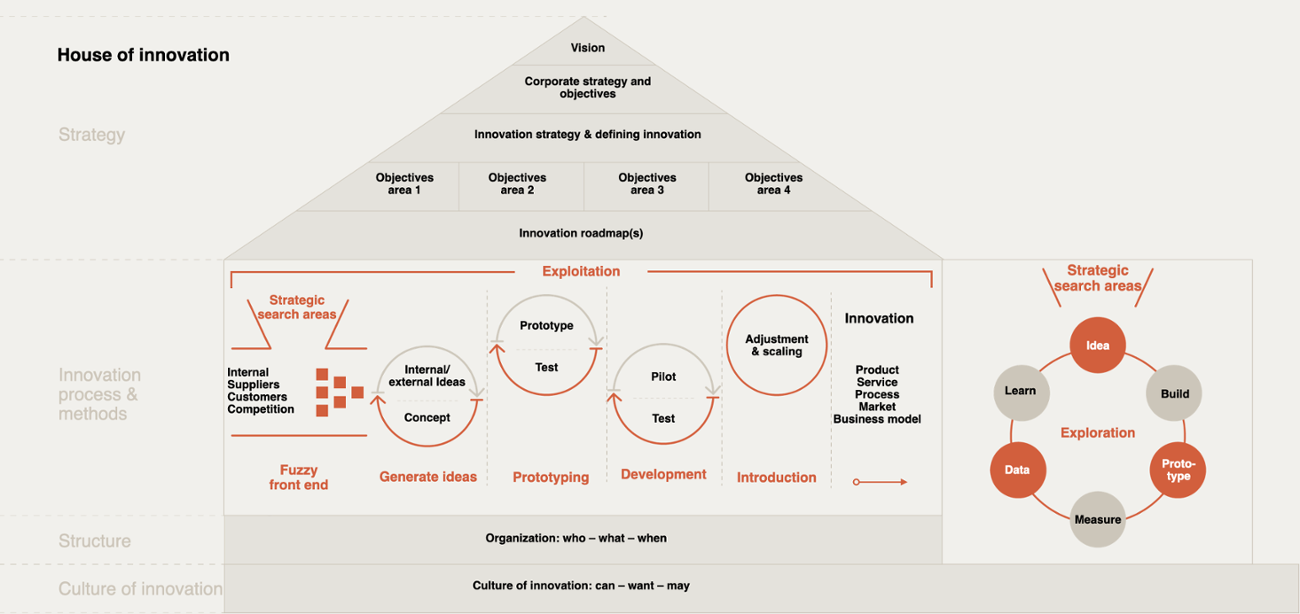
Will Next-Gen R&D Trends Shape Markets
Let us understand if you need a model. Not yet. First, let's use storyboards to collect initial feedback, then return with more specific demands. You're right, that would be a more secure method. I'm eagerly anticipating those insights! As the rate of service speeds up, integrating R&D with business method will end up being significantly crucial.
By understanding the strengths and constraints of each technique, business can develop a robust innovation method that drives immediate and sustainable growth. The future of innovation lies in this hybrid design, where traditional R&D offers the deep, fundamental insights required for breakthrough science and innovations, and organization R&D ensures that these developments are closely lined up with market requirements and can be commercialized.
This post has been modified from the original published on.
Smart Foundations for Next-Gen Tech SuccessBoston, MA, 10 August 2020 FCLTGlobal, a non-profit organization that establishes research study and tools that encourage long-lasting organization and investing, today published a new report highlighting prospective modifications in the method companies and financiers approach business R&D spending. Financing the Future: Buying Long-horizon Innovation suggests, based on market data from 2009-2018, that a downturn in R&D returns is a result of a shorter-term focus with regard to ingenious tasks undertaken by public companies.
Future-Proofing Enterprise R&D Models
Between 2009-2018, overall global R&D spending grew from $374 billion to $778 billion. However the productivity of that extra financial investment has actually been decreasing an assessment of the pharmaceutical market in particular finds that the expenses to bring an asset to market had increased to $2.2 billion in 2018 while returns on R&D financial investment had fallen to 1.9 percent.
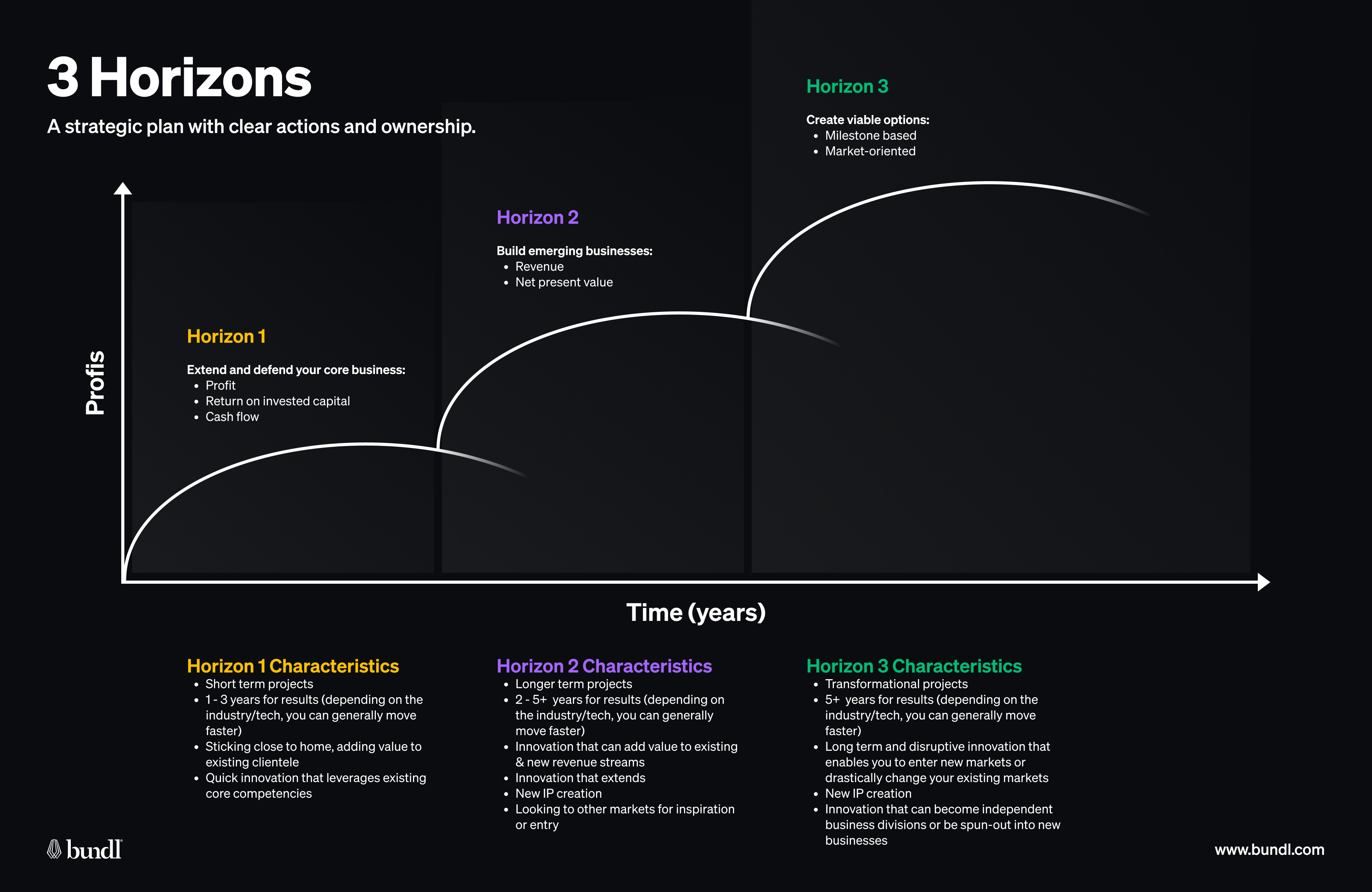
In the face of such pressure, business management groups tend to cut long-horizon jobs first. This tendency leaves companies and investors with out of balance development portfolios, favoring short-term projects that offer more returns that are lower but more trusted. "Overweighting of short-term jobs sacrifices considerable return potential discovering brand-new methods to handle R&D investments could rebalance portfolios and provide better returns for business, their investors and society," said Sarah Keohane Williamson, CEO of FCLTGlobal.
Both are vital." Prior research study from FCLTGlobal recommends companies that reinvest a greater part of their profits internally, including into R&D tasks, outperform their peers by 9 percent per year typically. The report proposes alternative ways to structure, worth, and handle long-horizon R&D in such a way that both companies and their shareholders can optimize their portfolios, consisting of: Enabling members of the R&D team to work on multiple projects at the same time to encourage a more objective, portfolio-oriented point of view Utilizing efficiency metrics for short-, medium-, and long-horizon projects that acknowledge and account for the differences in job profile Sharing with financiers the breakdown of R&D spending plan by anticipated time to market Enabling "quick failure" to minimize behavioral biases Along with these recommendations, FCLTGlobal has developed an interactive that enables corporate boards, executives, and risk committees to determine their ideal R&D allocation in between short, mid, and long range projects.
Our Membership is made up of international possession owners, property managers, and companies that play a leading function in rebalancing capital markets for sustainable development. Please go to ### Ross Parker +1 508 667 5451.
Key Tech Cycles for Scaling the Future
Corporate labs hold an unique place in the development of the contemporary office. Places like the Bell Labs research center in Murray Hill, New Jersey, which established solar cells and transistors in a distinct multi-disciplinary environment, or DuPont's R&D system, which substantially advanced the chemistry of material science, have achieved practically mythological status on account of the advancement developments created behind their carefully protected doors.

Latest Posts
Optimizing ROI in Enterprise Labs
Sustaining High-Performance Tech Innovation Infrastructures
Is Your Hub Prepared to Handle 2026 Tech?